
The emissions land in Categories 4 and 9
Freight you pay someone else to move is upstream or downstream transportation in your Scope 3 inventory, not business travel. Same mechanism as travel, a different line of the same report.
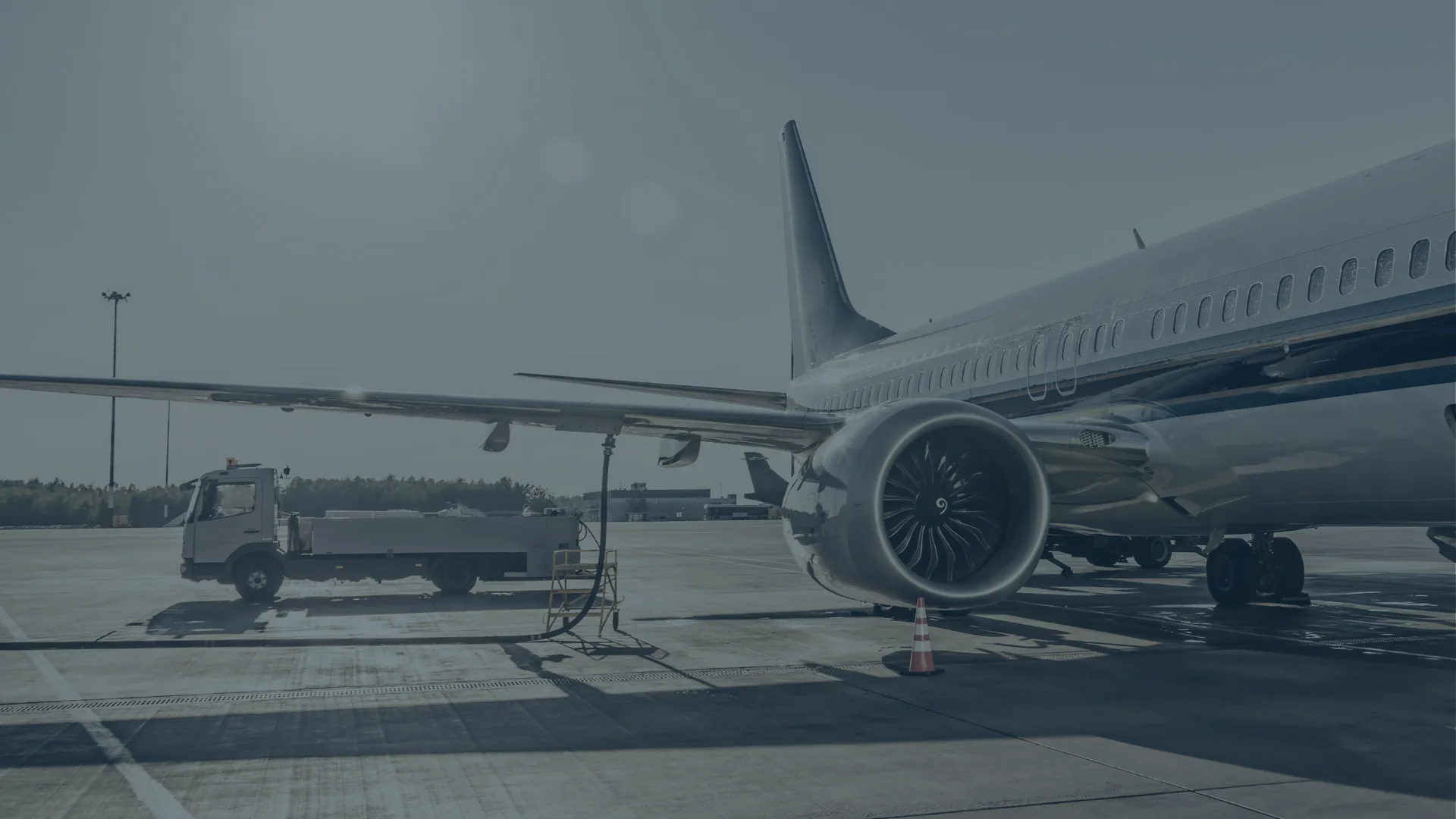
Air freight is one of the hardest lines in a supply chain to cut. With sustainable aviation fuel (SAF) Scope 3 certificates, you can report a verified reduction against the freight you already move, subject to the reporting standard you use, whether you own the goods or move them for someone else.
Freight you pay someone else to move is upstream or downstream transportation in your Scope 3 inventory, not business travel. Same mechanism as travel, a different line of the same report.
Your air freight emissions come from aviation, and so do the savings behind a SAF Scope 3 certificate. The fuel goes into aircraft near where it is made, and the reduction stays inside your value chain, which is what insetting means.
Where a freight forwarder and the shipper whose goods moved sit in the same value chain, the rulebook allows both to claim, each once and each recorded. Outside a shared value chain, they cannot.
Every claim is retired on an independent registry with a statement naming the batch, the feedstock and the lifecycle reduction. That is what an auditor reads, and what a customer asking about your freight emissions gets shown.
Business travel has one corporate claimant. Freight often has two: the forwarder who arranges the movement, and the company whose goods are on the aircraft. The registry rules account for exactly that, and keep it honest.
The carrier still holds the Scope 1 claim on the fuel it burns, retired before any Scope 3 claim can be. Nothing is claimed twice, and every claim names its owner.
Whose emission is it →Many shippers buy SAF through a forwarder or a carrier, and that can work well. If your freight moves with several carriers, we buy from several certified producers, so one agreement can match certificates to the freight you move and the criteria you choose.
Each certificate also sends a demand signal that helps SAF production scale, and your supply chain relies on aviation.
Future Energy Global is a Start-Up Member of TIACA, The International Air Cargo Association, and works with cargo carriers and forwarders to bring Book and Claim to air freight. DHL joined our multi-airline Book and Claim pilot with nine other companies, to acquire 20,000 tonnes of SAF together.
Keep the world in motion. Change what moves it. Start with one freight lane. We'll do the rest.